Mass extinctions are periods in Earth’s history when most life on Earth becomes extinct over a relatively short geological period. Specified as the loss of at least 75% of species over less than 2.8 million years, these events have highly reconfigured life on Earth many times over.
Biodiversity today is also under an equally grave danger, not from natural cataclysms but from human activity. Scientists believe we might be undergoing the sixth mass extinction, driven by unprecedented human influence on the planet. This assignment examines the five past mass extinctions, the current extinction, and humans’ contribution to species disappearance.
THE PREVIOUS EXTINCTIONS
The Five Historical Mass Extinctions
1. Ordovician-Silurian extinction (c. 443 million years ago)
It was the first recorded mass extinction event at the end of the Ordovician period. It was initiated by a brief but intense ice age that caused a massive decline in sea levels, leading to the extinction of about 85% of marine organisms. Since most life was aquatic, this event disrupted marine biodiversity, destroying trilobites, brachiopods, and graptolites.
2. Late Devonian Extinction
(c. 372 million years ago) This extinction was gradual and lasted close to 20 million years. It is hypothesized to result from a combination of environmental changes, including global cooling, extensive ocean anoxia (oxygen-deprived conditions), and potential asteroid impacts. Reef-building organisms were most severely impacted, with over 75% of species dying.
3. Permian-Triassic Extinction
(c. 252 million years ago) ‘The Great Dying’ was the worst mass extinction, which destroyed almost 96% of marine species and 70% of terrestrial vertebrates. Gigantic volcanic eruptions in the Siberian Traps caused extreme climate changes, acid rain, and ocean acidification. This event had a drastic impact on the evolution and paved the way for the dominance of dinosaurs in the next era.
4. Triassic-Jurassic Extinction
(about 201 million years ago) This extinction occurred before the emergence of dinosaurs. Probably erupted as a result of volcanic activity in the Central Atlantic Magmatic Province, it led to increased carbon dioxide levels and climate change. Approximately 80% of species, large amphibians, and several of the earliest reptiles became extinct, making room for dinosaurs to become the dominant terrestrial vertebrates.
- Cretaceous-Paleogene (K-Pg) Extinction
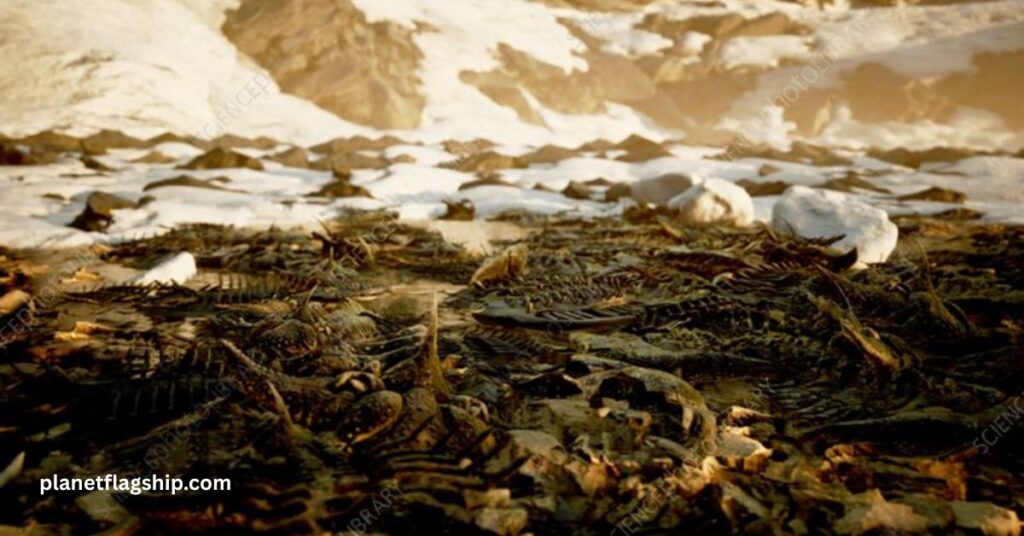
(c. 66 million years ago) – Possibly the most famous, this extinction brought about an end to the non-avian dinosaurs. A gigantic asteroid impact around the Yucatán Peninsula and consequent volcanic eruptions in the Deccan Traps created extreme climate disturbances. Some 75% of all species perished, paving the way for mammals and birds to emerge and multiply during the Cenozoic Era.
READ MORE: How Climate Change Is Driving Animal Migration Patterns?
The Sixth Mass Extinction: Human-Driven Biodiversity Loss
Scientists warn the world of a sixth mass extinction, but this time it is not natural processes that cause it; it is human activity. Where a single cataclysmic event characterises past events, this extinction is characterised by several human pressures occurring simultaneously. The present rate of extinction is estimated to be 100-1,000 times higher than the background rate.
Human Activities Leading the Sixth Extinction
Habitat Destruction and Fragmentation
Currently, the direct cause of biodiversity loss is the destruction of natural habitats for agriculture, urbanization, and infrastructure development. Forests, wetlands, coral reefs, and grasslands are disappearing or being degraded at alarming rates. For instance, the Amazon rainforest, also known as the “lungs of the planet,” is being deforested for cattle ranching and soybean agriculture, threatening many species.
Overexploitation
Human-generated consumption has gone beyond sustainable limits in many regions. Overfishing has destroyed such marine life as Atlantic cod, and illegal hunting and poaching endanger wildlife such as elephants, rhinos, pangolins, and tigers. The legal and illegal wildlife trade also intensifies the decline of the species.
Terrestrial and aquatic ecosystems
are affected by industrial, agricultural, and urban pollutants. Pesticides and fertilizers pollute soil and water sources, killing pollinators and aquatic life. Plastic pollution has led to massive “garbage patches” in the seas, where marine animals regularly swallow or become entangled in the garbage.
Climate Change: Increasing temperatures.
Changes in weather patterns and the occurrence of extreme weather events significantly impact the survival of species. Coral bleaching due to ocean warming, migrations, and habitat changes are just some of the indicators of stress in ecosystems. Some species are unable to adapt quickly enough to keep pace with environmental change.
- Invasive Species
The world of international trade and travelling has brought the unfamiliar and strange into new territories, with devastating consequences. Native populations can be outcompeted, eaten, or infected by invasive species. Examples of such phenomena include hybrid cane toads in Australia and zebra mussels in North America.
Ecological and Ethical Implications
1. Loss of Ecosystem Services Biodiversity provides for ecosystem services fundamental to human survival in the form of pollination, water clean up, climate regulation, and soil fertility, among others. The services provided by species deteriorate as species are lost, and economic and social ramifications ensue.
2. Moral and Cultural Responsibility The cultures in various parts of the world relate to nature closely and have a reputation for regarding biodiversity as a treasured element. The depletion of species undermines cultural heritage and spiritual values. Besides, there is an ethical discussion that, as guardians of the world, humans should care about other forms of life.
3. Economic Effects Biodiversity maintains the various industries like agriculture, forestry, and pharmaceuticals. Loss of pollinators poses an international threat to food security, and the loss of medicinal plants reduces the possibility of new medicines. The price of doing nothing can be far greater than the cost of conservation.
Solutions and Conservation Effort
Protected Areas and Habitat Restoration
Establishing national parks, wildlife reserves, and marine protected areas will help conserve critical habitats. Restoration undertakings include reforestation and wetland restoration, aimed at restoring damaged ecosystems and supporting species recovery.
Sustainable Practices and Legislation
There are international agreements, such as the Convention on International Trade in Endangered Species (CITES), and national laws, such as the U.S. Endangered Species Act, that regulate the exploitation of wildlife. Human pressure on ecosystems can be reduced through sustainable agricultural, forestry, and fisheries practices.
Global Agreements and Biodiversity Targets
The Convention on Biological Diversity and the “30 by 30” target (to protect 30% of this planet’s land and oceans by 2030) demonstrate growing awareness of the necessity of a coordinated global effort.
Education and Public Engagement.
The use of education and awareness to bring about behavioral change and support conservation. The use of citizen science and media. Local communities play a significant role in biodiversity conservation, and they must be involved in decision-making.
ALSO READ: Climate Change and Inequality: The Growing Divide Between Rich and Poor Countries
FAQs About the Sixth Mass Extinction
What is the Sixth Mass Extinction and how is it different from previous ones?
The Sixth Mass Extinction refers to the rapid, human-driven loss of species happening today. Unlike earlier mass extinctions caused by natural events such as volcanic eruptions or asteroid impacts, this extinction is caused by human activities like deforestation, pollution, overhunting, and climate change. Species are disappearing 100–1,000 times faster than the natural background rate.
Which human activities are the biggest drivers of species loss today?
The main drivers include habitat destruction, overexploitation of wildlife, pollution, climate change, and the introduction of invasive species. Urban expansion, industrial farming, plastic waste, rising temperatures, and global trade all contribute to shrinking populations and collapsing ecosystems worldwide.
Why is biodiversity loss a danger to humans?
Biodiversity supports essential ecosystem services such as pollination, clean water, fertile soil, and climate regulation. When species disappear, these services decline, threatening food security, economic stability, and public health. The loss of pollinators alone puts global agriculture at high risk.
Can the Sixth Mass Extinction still be slowed or prevented?
Yes, but only with urgent action. Solutions include protecting habitats, restoring degraded ecosystems, enforcing wildlife protection laws, reducing carbon emissions, and adopting sustainable farming and fishing. International cooperation—such as the “30×30” goal to protect 30% of the planet by 2030—is essential for meaningful progress.
What role can individuals play in preventing biodiversity loss?
Individuals can help by reducing waste, supporting conservation groups, using sustainable products, planting native species, and spreading awareness. Community involvement—like citizen science projects, habitat cleanups, and responsible consumption strengthens global conservation efforts.
Conclusion
The history of life on Earth is characterized by five mass extinction events that reshaped the biological world. Currently, a Sixth mass extinction is underway, and its cause is not natural forces but human activities. This rapid loss of species not only compromises the natural world but also the well-being of humanity. However, there is hope. Through collaborative conservation initiatives, sustainable development, and a refocused ethical commitment to conserving life on Earth, we can reduce our impact and save the planet’s biodiversity for future human beings.

John is a professional blogger and passionate advocate for environmental sustainability. With years of experience exploring eco-friendly practices and green innovations, he shares insightful articles on Planet Flagship to inspire a sustainable future. John’s expertise lies in making complex environmental topics accessible and actionable, empowering readers to make meaningful changes for the planet.