
The Origins and Prevalence of Microplastics
In recent years, the presence of microplastics in our environment has become a pressing concern. These tiny, solid, synthetic plastic particles, measuring less than 5 millimeters, have infiltrated our oceans, soil, and even the air we breathe. However, a more alarming discovery has emerged: microplastics are now being found in human blood. This revelation raises significant questions about the potential health risks associated with microplastics and their long-term effects on our bodies.
This article will explore the origins and prevalence of microplastics, the mechanisms by which they enter our bloodstream, and the potential health implications of their presence in our bodies. We will also discuss current research findings, the challenges in assessing health risks, and what individuals can do to mitigate exposure. By the end of this article, we will have a clearer understanding of the seriousness of microplastics in our bloodstream and the steps we can take to protect our health.
What are microplastics?
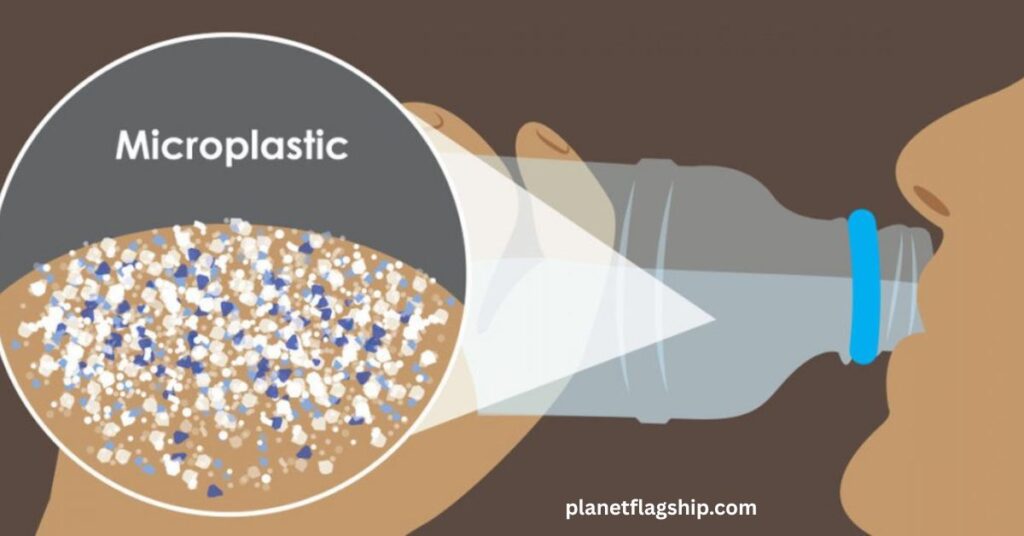
Microplastics are tiny, solid, synthetic particles or polymer matrices of irregular or regular shape and size, ranging from 1 micrometer to 5mm. They are of two types i.e., primary and secondary microplastics.
Primary microplastics: These are intentionally produced by industries for commercial use, such as in cosmetics.
Secondary microplastics: These originate from the weathering or degradation of plastic residues in the environment and are affected by various environmental factors, such as wave action, thermal oxidation, and solar exposure. For example, plastic bottles, bags, food containers etc.
Sources of microplastics
Microplastics enter the environment through different pathways. As there are two types of microplastics, they have different sources.
Sources of primary microplastics: The following are the sources of primary microplastics
Microbeads
Nurdles
Sewage treatment plant
Personal care products
Sources of secondary microplastics:
Sources of secondary microplastics are listed below
Synthetic Textile
Wear and tear of vehicle tires and brake wear
Chipping of road markings and coatings
City dust
Disposable plastic tableware
Municipal debris
READ MORE: WHY WOMEN AND CHILDREN SUFFER THE MOST FROM CLIMATE DISASTERS?
Prevalence in the Environment
Microplastics have infiltrated multiple ecosystems, raising environmental and health concerns. These are found in abundance in oceans, soil, and air. Their sources, impacts, and implications for each system are discussed below:
Approximately 50-75 trillion pieces of plastic and microplastics are present in the ocean, with microplastics constituting about 92% of the 5.25 trillion plastic particles on the surface (UNESCO, ScienceDirect). Major sources include land-based runoff, discarded fishing gear, and plastic debris due to various human activities. Ingestion of these microplastics by marine animals causes harm, leads to malnutrition, and ultimately to death. The ingestion of microplastics may disrupt the food chain, affecting human health by exposing people to harmful toxins.
Studies estimate that microplastics in soil can range from 930 to 1,100 items per kg, with one-third of all plastic waste ending up in soils or freshwater (ScienceDirect, UNEP). Microplastics enter the soil through the use of pesticides, fertilizers, plastic mulch films, and waste sludge. The presence of microplastics damages soil structure, reduces soil fertility, water retention, aeration, and nutrient availability, which are crucial to plant growth, and harms plant growth.
It also hinders seed germination, lessens crop yield, and causes food insecurity. Microbes in soil may be negatively affected by microplastics, leading to decreased soil biodiversity. Long-term exposure may lead to long-term degradation.
Estimates suggest that atmospheric emissions of microplastics range from 10 to 40 million tonnes per year, with concentrations detected in urban and rural air samples (PMC, Nature). Microplastics can become airborne through the degradation of larger plastic items, through washing synthetic textiles, and through industrial processes.
These particles are widely distributed in the atmosphere, both in rural and urban areas, posing serious health risks. It can cause chronic respiratory problems, including lung damage and inflammation. It may also cause serious health impacts, such as cardiovascular diseases.
Microplastics in the Human Body
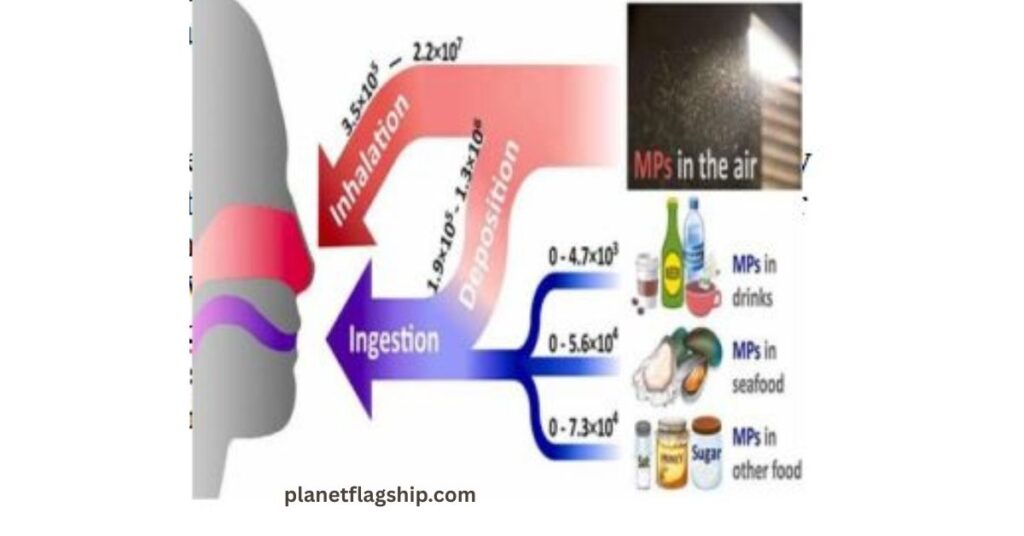
Recent research has described the pathway through which microplastics infiltrate the human body and increase human health risks. Understanding the pathway is crucial for assessing the risks associated with these particles. The pathway includes:
Ingestion:
It is the primary pathway through which microplastics enter the body. This occurs predominantly through the consumption of contaminated food and water. Key points include seafood as a major source of microplastic exposure. Studies have shown that marine organisms can ingest microplastics, which then accumulate in their tissues. When humans consume these
seafood products, they inadvertently ingest microplastics as well (Smith et al., 2018). Drinking water can also contain microplastics. Research indicates that microplastics are present in both bottled and tap water, with studies finding concentrations ranging from 0.1 to 1.0 microplastics per liter (Mason et al., 2018).
Inhalation:
Inhalation is another significant route through which microplastics enter the body. Microplastics can become airborne through the degradation of larger plastic items, through washing synthetic textiles, and through industrial processes.
These particles are widely distributed in the atmosphere, both in rural and urban areas, posing serious health risks. It can cause chronic respiratory problems, including lung damage and inflammation. It may also cause serious health impacts, such as cardiovascular diseases.
Dermal Absorption:
It is another potential route through which microplastics enter the body. Some studies suggest that microplastics may penetrate the skin, particularly through the use of personal care products containing microbeads or through direct contact with contaminated surfaces (Prata et al., 2020). The extent to which microplastics can penetrate the skin and enter the bloodstream remains unclear, and more research is needed to fully understand this pathway.
Evidence of Microplastics in Blood
An unprecedented study published in Environmental International in 2022 provided compelling evidence of microplastics in the human bloodstream. Key findings include:
Prevalence in Participants: The study found microplastics in the blood of nearly 80% of participants, highlighting the widespread contamination (Leslie et al., 2022).
Types of Microplastics Detected: Various types of microplastics were identified, including polyethylene and polypropylene, which are commonly used in packaging and consumer products. These materials are prevalent in everyday items, further underscoring the potential for exposure.
Health Implications: The presence of microplastics in the bloodstream raises significant concerns about their potential health implications. While the long-term effects are still being studied, the possibility that microplastics may carry harmful chemicals or trigger inflammatory responses is alarming.
Potential Health Risks of Microplastics

Microplastics infiltrating the human bloodstream pose significant health risks and toxicological concerns. Understanding them is important to assess the potential impacts of microplastics.
Additives of Chemicals
Phthalates and bisphenol A (BPA) are two examples of the many chemical additives used in the production of microplastics. These chemicals have the potential to enter the bloodstream and present several health risks:
Endocrine Disruption: BPA and phthalates are recognized endocrine disruptors, meaning they can affect how hormones work. Developmental concerns, metabolic diseases, and problems with reproductive health can result from this imbalance (Wright & Kelly, 2017).
Toxicity: These compounds’ possible toxicity is a worry when they are found in the bloodstream, especially after prolonged exposure.
Carriers of Pathogens
Microplastics can spread toxins and dangerous diseases:
Toxin Absorption: Heavy metals and persistent organic pollutants are among the harmful chemicals that microplastics can acquire from the environment. These poisons can enter the bloodstream by ingestion or inhalation, which may result in several health problems.
Infection Risk: Microplastics’ ability to harbor pathogens raises concerns about the potential for infections. If these particles enter the bloodstream, they could contribute to systemic infections or inflammatory responses.
Inflammation and Immune Response
Microplastics can trigger inflammatory responses in the body. Immune reactions produce inflammatory markers when microplastics infiltrate the bloodstream. These responses lead to chronic inflammation, which is further linked to significant health risks.
The associated health risks include cardiovascular diseases, autoimmune disorders, and cancer. There is growing evidence that these microplastics promote tumor growth and mistakenly target healthy cells.
Long-Term Health Effects
The long-term health effects of microplastics in the human bloodstream are still in their infancy; instead, various potential risks have emerged. The accumulation of these microplastics and long-term exposure to them can lead to dysfunction and damage in organs such as the lungs, liver, and kidneys. Some studies also suggest that microplastics adversely affect reproductive health, especially impacting fertility and fetal development.
How do microplastics enter the human bloodstream?
Microplastics enter the bloodstream mainly through ingestion, inhalation, and possibly dermal absorption. Contaminated food such as seafood, drinking water, polluted air, and personal care products containing microbeads are major contributors. Once inside the body, some particles are small enough to cross biological barriers and reach the blood.
Are microplastics in the bloodstream harmful to human health?
Yes, microplastics may pose serious health risks. They can carry chemical additives like BPA and phthalates, which disrupt hormones, and they may also transport pathogens and toxic pollutants. Their presence can trigger inflammation and oxidative stress, which increases the risk of chronic diseases.
What diseases or health conditions are linked to microplastics?
Research suggests links between microplastics and endocrine disorders, cardiovascular diseases, respiratory issues, immune dysfunction, infertility, and potentially cancer. Chronic inflammation caused by microplastic accumulation is believed to be a major driver of long-term health problems.
Can microplastics be removed from the bloodstream naturally?
The human body can eliminate some foreign particles, but nanoplastics and very small microplastics may persist in tissues and organs. Current evidence shows that certain particles may accumulate in the liver, kidneys, lungs, and bloodstream. More research is needed to understand how efficiently the body can remove them.
How can we reduce exposure to microplastics in daily life?
You can lower your exposure by avoiding single-use plastics, choosing natural fabrics instead of synthetic ones, using water filters, minimizing packaged food, ventilating indoor spaces, and selecting personal care products free of microbeads. Supporting environmental policies and recycling programs also helps reduce plastic pollution overall.
ALSO READ: Chemical Pollution: How It’s Silently Damaging Human Health
Conclusion
The growing presence of microplastics in the human bloodstream creates significant health risks that cannot be overlooked. With routes of exposure including ingestion, inhalation, and potentially dermal absorption, microplastics can carry harmful chemical additives and pathogens, raising the risks of toxicological concerns and chronic inflammation. The long-term health effects remain largely unknown, but potential risks include organ damage and reproductive health issues.
As research continues to unveil the implications of microplastics on human health, we must take proactive steps to mitigate exposure and reduce plastic pollution. Individuals can adopt sustainable practices by minimizing single-use plastics, opting for natural fibers over synthetic materials, and supporting products with eco-friendly packaging. Additionally, advocating for policies that promote waste reduction, recycling, and the development of biodegradable alternatives can contribute to a healthier environment.
By making conscious choices and raising awareness of the dangers of microplastics, we can collectively work towards a cleaner, safer future for ourselves and future generations. It is time to act; every small change can make a significant impact in the fight against plastic pollution and its effects on human health.
References
Leslie, H. A., van Velzen, M. J. M., Brandsma, S. H., Vethaak, A. D., Garcia-Vallejo, J. J., & Lamoree,
M. H. (2022). Discovery and quantification of plastic particle pollution in human blood. Environmental International, 163, 107199. https://doi.org/10.1016/j.envint.2022.107199
Prata, J. C., da Costa, J. P., Lopes, I., Duarte, A. C., & Rocha-Santos, T. (2020). Environmental exposure to microplastics: An overview on possible human health effects. Science of the Total Environment, 702, 134455. https://doi.org/10.1016/j.scitotenv.2019.134455
Smith, M., Love, D. C., Rochman, C. M., & Neff, R. A. (2018). Microplastics in Seafood and the Implications for Human Health. Current Environmental Health Reports, 5(3), 375–386. https://doi.org/10.1007/s40572-018-0206-z
Wright, S. L., & Kelly, F. J. (2017). Plastic and Human Health: A Micro Issue? Environmental Science & Technology, 51(12), 6634–6647. https://doi.org/10.1021/acs.est.7b00423
Jani, A. J., Halbert, G. W., Langridge, J., & Florence, A. T. (2020). The uptake and translocation of latex nanospheres and microspheres after oral administration to rats. Journal of Pharmacy and Pharmacology, 50(12), 1427–1434. https://doi.org/10.1211/0022357021771
Bour, A., et al. (2020). “Microplastics in the air: A review of the current state of knowledge.” Environmental Pollution, 265, 114908. https://doi.org/10.1016/j.envpol.2020.114908
Leslie, H. A., et al. (2022). “Discovery and quantification of plastic particle pollution in human blood.” Environmental International, 163, 107199. https://doi.org/10.1016/j.envint.2022.107199
Wright, S. L., & Kelly, F. J. (2017). “Plastic and Human Health: A Micro Issue?” Environmental Science & Technology, 51(12), 6634–6647. https://doi.org/10.1021/acs.est.7b00423

John is a professional blogger and passionate advocate for environmental sustainability. With years of experience exploring eco-friendly practices and green innovations, he shares insightful articles on Planet Flagship to inspire a sustainable future. John’s expertise lies in making complex environmental topics accessible and actionable, empowering readers to make meaningful changes for the planet.