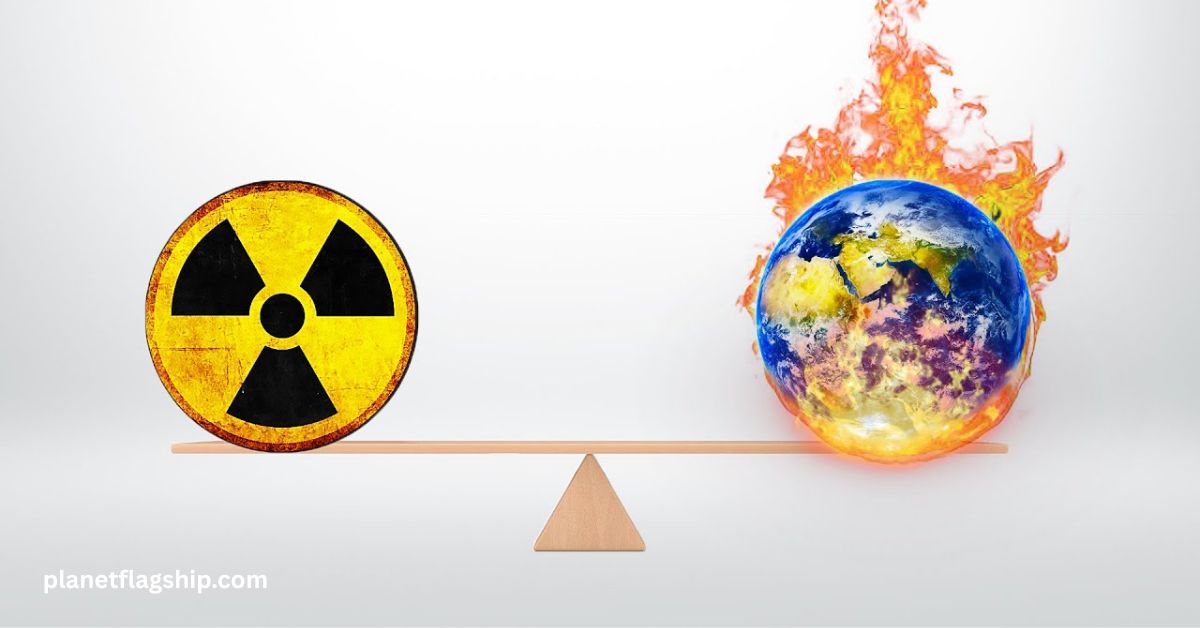
Climate change is one of the most pressing issues of our time, with far-reaching consequences for the environment, human health, and the economy. As the world transitions to a low-carbon economy, nuclear power is increasingly being recognized as a vital component of the energy mix. Despite its potential, nuclear power is often overlooked or dismissed in discussions about climate change mitigation. This assignment argues that nuclear power shouldn’t be ignored in the fight against climate change, highlighting its benefits, addressing concerns, and exploring its role in a low-carbon future.
The impacts of Nuclear Power and Climate Change are increasingly visible across the globe, highlighting the need to rapidly reconfigure the global energy system to achieve carbon neutrality by mid-century and limit global warming to 1.5°C. At the same time, the world continues to grapple with energy security vulnerabilities and broader sustainability challenges, which remain acute in many emerging markets and developing economies (EMDEs). The overall demand for clean energy – such as that required by increased AI use and the electrification of transportation networks – exacerbates this need.
Responding to these challenges requires urgent action to scale up, redirect, and accelerate investment to deliver clean, sustainable, and just energy transitions worldwide. In this context, mobilizing financing for investment in nuclear energy will play a critical role in supporting ambitious climate change mitigation and adaptation and in delivering reliable, affordable, clean, and modern energy to underpin economic and social development and energy security.
Benefits of Nuclear Power
1. Zero Greenhouse Gas Emissions
Nuclear power plants do not emit greenhouse gases during operation, making them a cleaner source of energy compared to fossil fuels. According to the International Energy Agency (IEA), nuclear power has avoided 64 gigatons of carbon dioxide emissions between 1971 and 2021, equivalent to taking every car off the road in the United States for 14 years.
- Reliability
Nuclear power plants can operate continuously, providing a reliable source of electricity to the grid. In the United States, for example, nuclear power plants have an average capacity factor of 92%, compared to 25% for solar and 45% for wind power.
3. Scalability
Nuclear power can be scaled up to meet increasing global energy demands, particularly in developing countries. The World Nuclear Association estimates that nuclear power capacity could increase by 50% by 2050, helping to meet growing energy demands.
- Diversification
Nuclear power can reduce dependence on fossil fuels, promoting energy security and reducing the risks associated with price volatility. A study by the National Renewable Energy Laboratory found that a diverse energy mix, including nuclear power, can reduce the risks associated with energy price volatility.
Addressing Concerns
1. Safety
While nuclear accidents are rare, they can have significant consequences. However, modern reactor designs and safety measures have improved significantly, reducing the risk of accidents. Advanced safety features, such as passive cooling systems and containment structures, can help prevent accidents and minimize damage.
2. Waste Management
Nuclear waste remains a challenge, but advanced reactor designs and waste management technologies are being developed to address this issue. For example, small modular reactors (SMRs) can reduce waste production and improve safety.
3. Cost
Nuclear power plants are capital-intensive, but their long lifespan and low operating costs can make them a cost-effective option in the long run. A study by the World Nuclear Association found that the levelized cost of nuclear power is competitive with other energy sources.
READ MORE: How Climate Change Is Driving Animal Migration Patterns?
Nuclear Power’s Role in a Low-Carbon Future
1. Complementing Renewables
Nuclear power can provide base load power, complementing intermittent renewable energy sources like solar and wind. A study by the National Energy Institute found that nuclear power can help integrate renewable energy sources into the grid, reducing greenhouse gas emissions.
2. Meeting Climate Targets
Nuclear power can help meet ambitious climate targets, such as limiting global warming to 1.5°C above pre-industrial levels. The Intergovernmental Panel on Climate Change (IPCC) estimates that nuclear power could contribute up to 17% of global electricity generation by 2050, helping to meet climate targets.
3. Energy Security
Nuclear power can enhance energy security by reducing dependence on imported fossil fuels and promoting energy self-sufficiency. A study by the Energy Information Administration found that nuclear power can reduce reliance on imported oil and natural gas, improving energy security.
Investments for Clean Transitions
To achieve the goals of the Paris Agreement, it will be necessary to deploy a combination of low-carbon technologies. The electricity sector — responsible for roughly 40% of energy-related emissions — will need to shift from unabated fossil fuels to renewables, fossil fuels with carbon capture technology, and nuclear generation, while delivering substantially more electricity as end-use applications in buildings, industry, and transportation are electrified to replace the direct use of fossil fuels. In sectors less suited to electrification, a switch to other clean energy carriers will be critical for reaching net zero.
The International Energy Agency (IEA) estimates that reaching net zero carbon dioxide (CO2) emissions by 2050 will require annual energy sector investment of US2022 $4.7–5 trillion from 2030 to 2050, compared with US $2.8 trillion in 2023 [4]. The increase between 2023 and 2030 amounts to around 1 percentage point of global gross domestic product, indicating the need to channel substantial additional capital into the energy sector.
Most of the investment (around US $4.2 trillion in 2030) needs to be directed towards clean energy, representing roughly a doubling in advanced economies and China, and a fivefold increase in other EMDEs by 2030 (increasing to almost tenfold by 2050). The main investment targets include clean power (over US $2 trillion per year in generation and grids) and energy efficiency and end use, with a smaller amount for other clean energy supply.
Nuclear and Renewables Partner to Achieve Net Zero
All low-carbon technologies are needed to achieve net-zero targets. Nuclear energy offers substantial
mitigation potential and can support the integration of renewables in low-carbon energy systems.
Resilience, Reliability, and Security of Energy Supply
Nuclear power can ensure a secure, reliable, and resilient energy supply. Operating on demand, irrespective of weather, nuclear power can stabilize the grid in systems with high shares of variable generation while contributing to the security of energy supply.
Affordability
Nuclear power can underpin an affordable, low-carbon energy system by minimizing the amount of energy generation that exceeds demand and the need for expensive flexibility and storage infrastructure.
Sustainable Development and Just Transitions
Nuclear energy can help developing nations secure access to electricity, support socioeconomic development and industrialization, and meet their Sustainable Development and Climate Goals as part of a just transition.
Decarbonizing Beyond Electricity
In addition to providing a 24/7 electricity supply, nuclear power is the only low-carbon, large-scale heat source capable of replacing fossil fuels for industrial heat and hydrogen production.
In the power sector, the IEA estimates that nuclear power’s installed capacity will need to more than double by 2050 to reach net zero, which is similar to the increase in the IAEA’s high-case projection (which is not a net-zero pathway per se). Large reactors are likely to remain the main source of nuclear power over the coming decades, encompassing both existing reactors, many of which are projected to be extended beyond their originally anticipated operational lifetimes, and new construction.
However, there is also increasing interest in SMRs, which could expand the role of nuclear energy, including in small grids, new markets, and both electric and non-electric applications. Utilizing low-carbon steam and heat from nuclear power plants could be a crucial strategy for decarbonizing heavy industries, which account for a significant share of global emissions.
Nuclear Energy and International Climate Policy
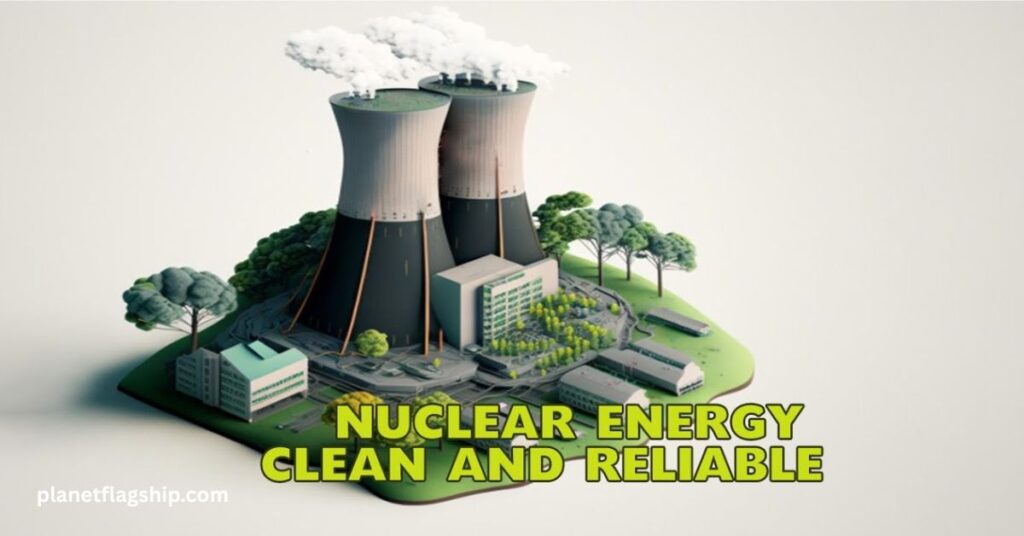
The world has reached an inflection point in recognizing nuclear energy’s key role in meeting ambitious climate change targets. This is reflected in the inclusion of nuclear energy in the outcomes of the first Global Stocktake under the Paris Agreement, and in the declaration issued at COP28 by 25 countries pledging to triple nuclear capacity by 2050. As of early 2024, 15 countries include nuclear in their latest nationally determined contributions (NDCs) under the Paris Agreement, and more than 20 include nuclear in their long-term low-emissions development strategies.
Many countries are also including nuclear energy in sustainable investment taxonomies and similar frameworks or providing other forms of direct policy support — for example, in the United States of America under the Inflation Reduction Act and in the European Union under the Net Zero Industry Act. Together, this expanding group of countries accounts for a substantial share of the global economy, investment flows, and global emissions.
FAQs About Nuclear Power and Climate Change
1. Why is nuclear power considered important for climate change mitigation?
Nuclear power produces electricity with near-zero greenhouse gas emissions during operation. It provides large-scale, continuous energy without relying on fossil fuels, making it a key tool for reducing global carbon emissions and achieving climate targets such as limiting warming to 1.5°C.
2. How does nuclear energy compare with renewable energy sources?
Unlike solar and wind, nuclear power delivers reliable baseload electricity regardless of weather conditions. It complements renewables by stabilizing the grid, reducing the need for fossil-fuel backup, and supporting a consistent low-carbon energy supply.
3. Are nuclear power plants safe?
Modern nuclear reactors are significantly safer than earlier designs. Advanced technologies such as passive safety systems, improved containment structures, and small modular reactors (SMRs) greatly reduce accident risks. While no energy source is risk-free, nuclear power has one of the lowest fatality rates per unit of energy produced.
4. What about nuclear waste and its environmental impact?
Nuclear waste remains a challenge, but it is small in volume, carefully managed, and highly regulated. New reactor designs can reduce waste generation, and long-term storage solutions continue to improve. Compared to the persistent emissions from fossil fuels, nuclear waste is contained and monitored.
Can nuclear power support sustainable development and energy security?
Yes. Nuclear energy enhances energy security by reducing dependence on imported fossil fuels and provides affordable electricity for industrial growth. It can also support sustainable development in emerging economies by supplying clean power, industrial heat, and hydrogen production as part of a just energy transition.
ALSO READ: The Future of Climate Action: Can AI and Machine Learning Save the Planet?
Conclusion
Nuclear power is a vital component of a low-carbon energy mix, offering a reliable, scalable, and zero-emission source of electricity. While concerns about safety, waste management, and cost are valid, they can be addressed through advanced technologies and responsible management. By acknowledging the benefits and addressing the concerns associated with nuclear power, we can harness its potential to combat climate change and create a more sustainable energy future.
Nuclear energy can be a significant contributor to low-carbon transitions, offering a scalable, climate-resilient, dispatchable source of low-carbon electricity and heat while supporting affordability and enhancing energy security. Nuclear energy has the potential to expand into many markets with the development of SMRs, including new applications that deliver clean heat and electricity to the industrial sector.
Recommendations
1. Invest in Nuclear Research and Development: Governments and the private sector should invest in research and development to improve nuclear safety, efficiency, and waste management.
2. Develop Advanced Reactors: Next-generation reactor designs should be developed and deployed to address safety and efficiency concerns.
3. Integrate Nuclear Power into Energy Policy: Nuclear power should be included in national energy policies and climate change mitigation strategies.
References
- IAEA, climate change and nuclear power (PUB9048_web (7))
- The 7 reasons why nuclear energy is not the answer to solve climate change, By Mark Z. Jacobson (https://eu.boell.org/en/2021/04/26/7-reasons-why-nuclear-energy-not-answer-solve-climate-change)

John is a professional blogger and passionate advocate for environmental sustainability. With years of experience exploring eco-friendly practices and green innovations, he shares insightful articles on Planet Flagship to inspire a sustainable future. John’s expertise lies in making complex environmental topics accessible and actionable, empowering readers to make meaningful changes for the planet.